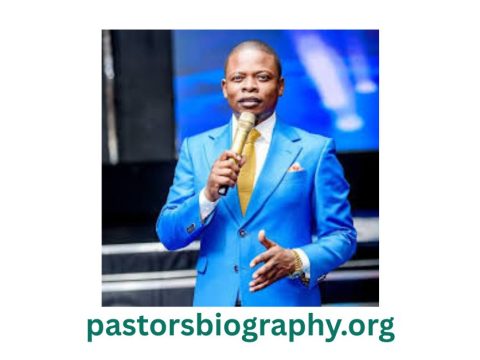
Judah Smith is one of the most prominent and influential young pastors in contemporary Christianity, renowned as the lead pastor of Churchome (formerly The City Church), a multisite megachurch based in Seattle, Washington, with a global reach through digital platforms and innovative church models. Known for his engaging preaching style, close friendships with celebrities like Justin Bieber and NBA stars, bestselling books, and pioneering approaches to church accessibility, Smith has become a leading voice to millennials and Gen Z Christians seeking authentic, relevant faith expression. His emphasis on grace, practical teaching, and removing barriers to church participation has made Churchome one of America’s fastest-growing and most innovative congregations while simultaneously attracting criticism regarding theology, methodology, and celebrity-driven ministry culture.
Beyond his pastoral role, Smith is a sought-after conference speaker, author of multiple bestsellers including Jesus Is ___, founder of influential church networks, and a bridge-builder between traditional evangelicalism and contemporary culture, positioning him at the forefront of 21st-century Christian ministry innovation.

Quick Facts: Judah Smith at a Glance
| Category | Information |
|---|---|
| Full Name | Judah Smith |
| Date of Birth | October 9, 1978 |
| Place of Birth | Seattle, Washington, USA |
| Age | 46 years old (as of 2025) |
| Nationality | American |
| Occupation | Pastor, Author, Speaker, Church Planter |
| Church | Churchome (formerly The City Church) |
| Church Founded | Took leadership 2009 (church founded 1992 by parents) |
| Church Locations | Seattle area + global digital presence |
| Church Model | Multisite + “Churchome Global” digital platform |
| Years in Ministry | 2000 – Present (25+ years) |
| Denomination | Non-denominational (Foursquare heritage) |
| Education | Attended Seattle Pacific University (did not complete degree) |
| Spouse | Chelsea Smith (Married 2000) |
| Children | 3 (Zion, Eliott, Grace) |
| Books Published | 5+ including Jesus Is ___, Life Is ___, How’s Your Soul? |
| Notable Friendships | Justin Bieber, Russell Wilson, Kevin Durant, Chris Pratt |
| Social Media Following | 1+ million followers across platforms |
| Speaking Platform | Catalyst Conference, various megachurch events |
| Estimated Net Worth | $5-8 million (2025 estimate) |
Early Life: Ministry Family Heritage
Born Into Ministry
Judah Smith was born on October 9, 1978, in Seattle, Washington, into a family deeply rooted in Christian ministry. His parents, Wendell and Gini Smith, were pastors who founded The City Church in Kirkland, Washington (a Seattle suburb) in 1992, when Judah was 14 years old.
Growing up as a pastor’s kid (PK) meant Judah’s entire childhood and adolescence occurred within church culture. He witnessed firsthand:
- The demands and sacrifices of pastoral ministry
- The joys of seeing lives transformed through faith
- The challenges families face in public ministry
- The operations and dynamics of building a church
- The balance between spiritual calling and family life
This immersive experience provided both advantages (deep ministry training and understanding) and challenges (pressure, expectations, and loss of privacy typical for PKs).
Foursquare Denomination Background
The Smith family ministry operated within the Foursquare Church tradition—a Pentecostal denomination founded by evangelist Aimee Semple McPherson in 1923. Foursquare theology emphasizes:
- The fourfold gospel (Jesus as Savior, Baptizer with the Holy Spirit, Healer, and Soon-Coming King)
- Pentecostal/Charismatic worship and spiritual gifts
- Evangelism and missions focus
- Contemporary worship and cultural engagement
- Church planting and multiplication
This theological heritage shaped Judah’s ministry philosophy, though Churchome eventually became more non-denominational in practice while maintaining Foursquare roots.
Spiritual Formation
Unlike many Christian leaders who experience dramatic adult conversion, Judah grew up in faith, making his personal commitment to Christ during childhood. His spiritual formation occurred through:
- Regular church attendance and participation
- Observing his parents’ ministry firsthand
- Youth group and camp experiences
- Early leadership opportunities in church context
- Mentorship from parents and other church leaders
Discovering the Call to Ministry
From early age, Judah sensed God’s call to pastoral ministry. Rather than resisting or rebelling against his parents’ vocation (as some PKs do), Judah embraced the calling, recognizing ministry as his life purpose and pursuing training and experience to prepare for future leadership.
Education and Early Ministry
Seattle Pacific University
Judah attended Seattle Pacific University, a Christian liberal arts institution in Seattle affiliated with the Free Methodist Church. While at SPU, he studied and participated in campus ministry activities, though he did not complete a traditional four-year degree—a decision reflecting his conviction that hands-on ministry experience was more valuable than classroom education for his specific calling.
This choice would later characterize his approach to ministry: prioritizing practical effectiveness over traditional credentials, relevance over academic theology, and real-world impact over institutional validation.
Early Preaching Experience
Even before finishing university, Judah began preaching regularly:
- Youth ministry at his parents’ church
- Guest speaking at other congregations
- Youth conferences and camps
- Developing his distinctive communication style
These early experiences allowed Judah to refine his preaching gifts, discover what resonated with audiences, and develop confidence in his calling before assuming major leadership responsibility.
Youth Pastor at The City Church
In his early twenties, Judah served as Youth Pastor at The City Church under his parents’ leadership. This role provided:
- Regular preaching opportunities
- Leadership development experience
- Understanding of church operations
- Relationship building with congregation
- Mentorship from experienced pastors
- Preparation for eventual senior leadership
Marriage to Chelsea Smith (2000)

Meeting and Marriage
In 2000, at age 22, Judah married Chelsea Smith, beginning a partnership that would become central to Churchome’s identity and ministry approach. Chelsea wasn’t merely a supportive pastor’s wife in traditional sense—she became an active ministry partner, preacher, author, and influential voice within the church community.
Their marriage established a leadership model where both spouses actively teach, preach, and lead, reflecting contemporary shifts in ministry partnership beyond traditional complementarian roles.
Three Children
Judah and Chelsea have three children:
- Zion Smith (oldest son)
- Eliott Smith (middle son)
- Grace Smith (daughter)
The Smith family frequently appears in sermon illustrations, social media posts, and church communications, presenting an image of relatable family life navigating faith, parenting, and ministry demands together.
Ministry Partnership
Chelsea Smith serves actively in Churchome leadership:
- Preaching regularly at Churchome services
- Speaking at women’s conferences and events
- Co-authoring books with Judah
- Social media ministry with substantial following
- Church vision and strategy participation
- Marriage and family teaching as joint ministry
This partnership model demonstrates the Smiths’ conviction that both spouses bring essential gifts to ministry leadership and that contemporary church culture benefits from diverse voices and perspectives.
Becoming Lead Pastor of The City Church (2009)
Succession from Parents
In 2009, at just 31 years old, Judah Smith became Lead Pastor of The City Church, succeeding his parents Wendell and Gini Smith, who transitioned to other ministry roles. This generational leadership transition represented both opportunity and challenge:
Opportunities:
- Inheriting established congregation with strong foundation
- Building on parents’ legacy and goodwill
- Leveraging existing infrastructure and resources
- Maintaining continuity while introducing fresh vision
Challenges:
- Proving himself beyond being “the pastor’s son”
- Earning authority and respect independent of family connection
- Navigating expectations from older members who remembered him as child
- Introducing changes without dishonoring parents’ legacy
- Establishing independent identity and leadership style
Early Leadership Vision
From the beginning of his tenure, Judah articulated clear vision for the church’s future:
- Relevance to contemporary culture without compromising biblical truth
- Excellence in worship and production rivaling entertainment industry standards
- Practical teaching addressing real-life issues
- Removing barriers that prevent people from encountering Jesus
- Digital innovation extending reach beyond physical locations
- Celebrity ministry not avoiding but embracing high-profile individuals
- Grace emphasis over legalism and religious performance
Church Growth Under His Leadership
Under Judah Smith’s leadership, The City Church experienced significant growth:
- Expanding from single location to multiple campuses
- Increasing weekly attendance substantially
- Attracting younger, more diverse demographics
- Gaining national and international recognition
- Developing robust digital presence
- Creating innovative church models
Rebranding to Churchome (2017)
The Strategic Rebrand
In 2017, The City Church underwent comprehensive rebranding, becoming Churchome—a name reflecting the church’s vision and values:
“Church” + “Home” = Churchome
The name communicated:
- Church as family and community, not just Sunday gathering
- Home representing belonging, acceptance, safety
- Accessibility and welcoming culture
- Contemporary branding appealing to younger generations
- Fresh identity distinct from traditional church connotations
Vision Behind the Name
Judah explained the rebrand as reflecting the church’s core conviction: Jesus wants to make church feel like home—a place where people belong, are known, experience unconditional love, and can authentically be themselves without pretense or performance.
This theological emphasis on grace, acceptance, and belonging became Churchome’s defining characteristic, attracting people disillusioned with judgmental, legalistic, or performance-driven church cultures.
Multisite Expansion
Following the rebrand, Churchome expanded its physical presence:
- Kirkland campus (original location)
- Seattle campus (downtown location)
- Bellevue campus
- Los Angeles campus (expanding beyond Pacific Northwest)
Each campus features live worship combined with Judah’s sermons broadcast via video—a multisite model pioneered by other megachurches that Churchome refined and executed effectively.
Churchome Global: Digital Innovation
Pioneering Digital Church
Churchome became one of the first churches to fully embrace digital-first strategy through Churchome Global—a comprehensive digital platform offering:
Live-Streamed Services: High-quality broadcasts of weekend services accessible globally
On-Demand Content: Sermon library, worship music, teaching series available anytime
Interactive Features: Chat functions, prayer requests, digital community connection
Churchome App: Comprehensive mobile application providing full church experience digitally
Virtual Campuses: Online communities organized by interest, location, or life stage
Digital Giving: Seamless online tithing and donation systems
COVID-19 Acceleration
The COVID-19 pandemic dramatically accelerated Churchome’s digital strategy. When physical gatherings became impossible, Churchome’s existing digital infrastructure positioned them perfectly to maintain and even grow ministry during lockdowns.
The pandemic proved the viability of digital church models, with Churchome demonstrating that:
- Online community can be genuine and meaningful
- Digital platforms extend gospel reach globally
- Technology enables accessibility for people unable to attend physically
- Hybrid models combining physical and digital are the future
Controversy Over Digital Membership
Churchome’s embrace of digital-first ministry sparked controversy:
Critics argued:
- Digital church undermines biblical community requiring physical presence
- Online attendance isn’t genuine church participation
- Virtual communion and baptism violate biblical sacrament theology
- Technology distances people from authentic relationships
- It represents consumerist approach treating church like streaming service
Defenders countered:
- Digital access removes barriers for disabled, homebound, rural, and international people
- Technology is tool, not threat—expands rather than replaces physical gatherings
- Biblical community can occur through digital means
- Hybrid models serve different needs and life circumstances
- Innovation keeps church relevant to digitally native generations
Preaching Style and Ministry Philosophy
Engaging, Contemporary Communication
Judah Smith’s preaching style is instantly recognizable:
- Conversational tone avoiding religious jargon and formal rhetoric
- Contemporary cultural references connecting Scripture to movies, music, sports, technology
- Story-driven teaching using personal narratives and relatable examples
- High energy with animated delivery and movement
- Visual elements utilizing video clips, graphics, and multimedia
- Practical application providing concrete next steps
- Humor and authenticity making teaching accessible and engaging
Central Message: Jesus Is…
Judah’s core theological emphasis centers on Jesus Christ’s identity and character, articulated through his bestselling book Jesus Is ___. Key themes include:
Grace Over Law: Emphasizing God’s unconditional love and acceptance rather than performance-based religion
Jesus’ Sufficiency: Teaching that Jesus is enough—sufficient for salvation, purpose, identity, and life transformation
Practical Faith: Connecting biblical truth to everyday decisions, relationships, work, and challenges
Identity in Christ: Helping believers understand who they are based on Jesus rather than achievements, failures, or others’ opinions
Accessible Christianity: Making faith comprehensible and attainable for skeptics, seekers, and struggling believers
Controversy Over Theological Depth
Judah’s teaching has attracted criticism regarding theological substance:
Critics argue:
- His messages prioritize motivation over theology
- Grace emphasis sometimes minimizes sin, repentance, and holiness
- Teaching lacks systematic doctrinal instruction
- Cultural relevance sometimes compromises biblical clarity
- Practical focus neglects deeper theological formation
Supporters respond:
- His teaching introduces biblical concepts accessibly without dumbing down
- Grace emphasis corrects legalistic distortions in much contemporary Christianity
- Practical application doesn’t negate theological foundation
- Accessible communication reaches people traditional preaching doesn’t
- Weekly sermons aren’t designed to replace comprehensive theological education
Celebrity Ministry and High-Profile Friendships
Justin Bieber Connection
Judah Smith’s most publicized relationship is his friendship and pastoral role with Justin Bieber, one of the world’s most famous pop stars. Their connection:
How They Met: Through mutual connections in entertainment and ministry circles around 2014-2015
Pastoral Relationship: Judah serves as spiritual mentor, advisor, and pastor to Bieber during his faith journey and personal struggles
Public Impact: Bieber’s attendance at Churchome, baptism by Carl Lentz (Hillsong pastor and Judah’s friend), and public faith expressions brought massive attention to Judah and Churchome
Social Media Presence: Frequent posts featuring Bieber, joint appearances, and public affirmations of their friendship
Hailey Bieber Wedding: Judah officiated Justin and Hailey’s 2019 wedding ceremony in South Carolina
Other Celebrity Connections
Beyond Bieber, Judah maintains relationships with numerous high-profile individuals:
Russell Wilson (NFL quarterback, Seattle Seahawks) and Ciara (singer) – Regular Churchome attendees
Kevin Durant (NBA star) – Has attended Churchome services
Chris Pratt (actor) – Connected through church and faith communities
Various entertainers, athletes, and public figures who’ve attended Churchome or connected with Judah
Benefits and Challenges of Celebrity Ministry
Benefits:
- Massive platform expansion and media attention
- Demonstrating faith relevance to cultural influencers
- Resources and connections celebrities bring
- Gospel witness to entertainment industries
- Younger generation engagement through celebrity interest
Challenges:
- Criticism of celebrity-focused ministry
- Perception of superficiality or clout-chasing
- Pressure to maintain celebrity relationships
- Media scrutiny of every interaction
- Questions about whether celebrity access influences theology or methodology
Judah’s Perspective: He views celebrity relationships as pastoral opportunities, not marketing strategies—high-profile individuals need spiritual guidance like everyone else, and their platforms can amplify gospel message positively.
Bestselling Author
Jesus Is ___ (2013)
Judah’s breakthrough book, “Jesus Is ___: Find a New Way to Be Human” (2013), became a New York Times bestseller and established him as an influential author beyond his local church context.
Core Message: The book explores who Jesus is and what that means for human identity, purpose, and daily living. The blank space invites readers to fill in based on their understanding and experience.
Key Themes:
- Jesus as grace personified
- Identity found in Christ rather than performance
- Practical faith impacting everyday decisions
- God’s unconditional love and acceptance
- Freedom from religious performance
Impact: The book resonated particularly with millennials and younger Christians seeking authentic faith beyond religious rules, legalism, and performance-driven Christianity.
Other Published Works
“Life Is ___: God’s Illogical Love Will Change Your Existence” (2015) – Follow-up exploring abundant life Jesus offers
“How’s Your Soul?: Why Everything that Matters Starts with the Inside You” (2016) – Addressing internal spiritual health and emotional wellness
“The Hidden Power of Kindness: A Practical Handbook for Souls Who Dare to Transform the World One Deed at a Time” (2019, with Chelsea Smith) – Joint book on practical Christian living
Various devotionals and study guides supporting sermon series and church resources
Writing Style
Judah’s books reflect his preaching style:
- Conversational, accessible prose
- Personal stories and vulnerability
- Practical application emphasis
- Contemporary cultural references
- Theological concepts explained simply
- Focus on grace and identity in Christ
Controversies and Criticisms
Theological Concerns
Judah Smith has faced criticism regarding theology and teaching:
Overemphasis on Grace: Critics argue his grace-focused teaching sometimes minimizes sin, repentance, judgment, and holiness, creating “cheap grace” theology
Word of Faith Influences: Some detect prosperity gospel or Word of Faith elements in teaching about identity, speaking positively, and faith declarations
Lack of Depth: Concerns that motivational, practical teaching neglects systematic theology, doctrinal instruction, and comprehensive biblical education
Celebrity Culture: Questions about whether accommodating high-profile members influences teaching, compromises biblical standards, or creates preferential treatment
Digital Church Model: Theological objections to treating online participation as equivalent to physical church attendance and biblical community
Ministry Methodology Questions
Production Over Substance: Critics suggest Churchome prioritizes slick production, branding, and entertainment value over spiritual depth
Marketing Approach: Concerns about church operating more like brand or business than spiritual community
Leadership Succession: Questions about nepotism and whether Judah’s rapid rise to leadership was merit-based or family-connected
Financial Transparency: Like many megachurches, limited public financial disclosure raises accountability concerns
Response to Carl Lentz Scandal
Judah’s close friendship with Carl Lentz (former Hillsong NYC pastor who was fired in 2020 for moral failure and infidelity) created complications:
- Questions about Judah’s discernment and choice of close associations
- Pressure to publicly address Lentz’s failure
- Scrutiny of celebrity pastor culture both participated in
- Opportunity to demonstrate grace and restoration theology practically
Judah maintained friendship with Lentz post-scandal while acknowledging sin’s seriousness—modeling grace without excusing wrongdoing.
Defenders’ Perspective
Supporters argue:
- Judah’s teaching, while contemporary, remains biblically grounded
- Grace emphasis corrects legalistic distortions common in evangelicalism
- Cultural engagement and accessibility don’t compromise gospel truth
- Celebrity connections provide ministry opportunities, not mere publicity
- Innovation and excellence honor God and reach contemporary seekers
- Criticism often stems from resistance to change and generational differences
Ministry Impact and Influence
Reaching Unchurched and Dechurched
Churchome’s greatest impact may be reaching people who:
- Never attended church regularly
- Left church due to hurt, disillusionment, or legalism
- Find traditional church culture alienating or irrelevant
- Struggle with mental health, addiction, or life challenges
- Seek authentic community without religious performance expectations
Judah’s grace-centered, judgment-free messaging particularly resonates with these populations.
Influence on Younger Pastors
Judah influences a generation of younger pastors and church planters who:
- Prioritize cultural relevance and contemporary communication
- Embrace technology and digital ministry strategies
- Emphasize grace over legalism
- Create welcoming environments for skeptics and seekers
- Value excellence in production and presentation
- Build multisite or digital-first church models
Catalyst Conference and Speaking Ministry
Judah regularly speaks at Catalyst Conference and other major evangelical leadership gatherings, extending influence beyond Churchome to:
- Young ministry leaders seeking vision and inspiration
- Church planters learning innovative approaches
- Established pastors rethinking traditional methods
- Christian organizations embracing cultural engagement
Global Digital Reach
Through Churchome Global, Judah’s teaching reaches:
- International audiences across continents
- Rural communities lacking access to dynamic churches
- Disabled individuals unable to attend physically
- Younger generations consuming content digitally
- Seekers exploring Christianity without commitment pressure
Personal Life and Character
Family Focus
Despite demanding ministry schedule, Judah emphasizes family:
- Regular references to Chelsea and children in sermons
- Protected family time amid public demands
- Modeling healthy marriage in ministry context
- Parenting transparency about challenges and joys
- Family involvement in church community
Authenticity and Vulnerability
Judah shares openly about:
- Personal struggles with insecurity and inadequacy
- Marriage challenges and growth areas
- Parenting difficulties and lessons learned
- Mental health and emotional wellness
- Ongoing spiritual formation and learning
This vulnerability creates connection with audiences facing similar challenges.
Fashion and Cultural Engagement
Judah’s style reflects contemporary culture:
- Streetwear-influenced fashion (hoodies, sneakers, casual attire)
- Pop culture literacy and references
- Social media savvy communication
- Comfort in entertainment industry contexts
- Rejection of traditional pastoral appearance expectations
This cultural fluency makes faith accessible to younger, culturally engaged audiences while drawing criticism from those preferring traditional pastoral decorum.
Net Worth and Lifestyle
Estimated Wealth
Judah Smith’s net worth is estimated at $5-8 million, accumulated through:
- Pastoral salary from Churchome (amount undisclosed)
- Book royalties from bestsellers
- Speaking fees at conferences and events
- Potential real estate investments
Lifestyle Considerations
The Smiths maintain lifestyle that:
- Reflects success without ostentatious luxury
- Enables ministry to high-profile individuals in their contexts
- Provides comfort appropriate to demands of leadership role
- Sometimes generates criticism regarding pastoral compensation and expectations
Financial Philosophy
Churchome maintains that:
- Pastoral compensation is private matter between leadership and elders
- Success and financial blessing aren’t inherently unchristian
- Resources enable ministry expansion and excellence
- Transparency exists at appropriate governance levels
Critics counter that megachurch pastors supported by member donations should publicly disclose compensation for accountability.
Legacy and Future Trajectory
At 46: Peak Influence Years
At 46, Judah Smith likely has decades of ministry ahead. Questions remain about:
Sustainability: Can Churchome maintain growth momentum and innovation?
Theological Maturation: Will teaching deepen over time or remain primarily motivational?
Digital Church Evolution: How will hybrid physical-digital models develop long-term?
Succession Planning: How will Churchome transition when Judah eventually steps down?
Celebrity Dependencies: Is the ministry overly dependent on high-profile relationships?
Potential Long-Term Impact
Judah’s lasting influence may include:
- Demonstrating viability of digital-first church models
- Making grace-centered theology accessible to contemporary audiences
- Showing how church can engage culture without compromise
- Training next generation of innovative ministry leaders
- Normalizing pastoral vulnerability and authenticity
Questions About Legacy
His ultimate legacy depends on:
- Whether theological concerns prove significant
- How Churchome evolves post-Judah’s leadership
- Whether digital church models produce lasting fruit
- How his children navigate their ministry upbringing
- Whether innovation represents genuine advancement or temporary trend
Frequently Asked Questions About Judah Smith
1. Who is Judah Smith? Judah Smith is lead pastor of Churchome (formerly The City Church), a multisite megachurch in Seattle, bestselling author of Jesus Is ___, and spiritual mentor to celebrities including Justin Bieber.
2. How old is Judah Smith? Born October 9, 1978, Judah Smith is 46 years old as of 2025.
3. Is Judah Smith married? Yes, he married Chelsea Smith in 2000. They have three children: Zion, Eliott, and Grace.
4. What church does Judah Smith pastor? He is lead pastor of Churchome, a multisite church based in Seattle with locations in the Pacific Northwest and Los Angeles, plus global digital presence.
5. How is Judah Smith connected to Justin Bieber? Judah serves as Justin Bieber’s pastor and spiritual mentor, officiating Justin and Hailey’s wedding in 2019 and providing ongoing pastoral care.
6. What books has Judah Smith written? His bestselling books include Jesus Is ___ (2013), Life Is ___ (2015), How’s Your Soul? (2016), and The Hidden Power of Kindness (2019, with Chelsea Smith).
7. What is Churchome? Churchome is a multisite megachurch founded by Judah’s parents in 1992, which he now leads. It emphasizes grace-centered teaching, digital innovation, and removing barriers to church participation.
8. Did Judah Smith go to seminary? No, Judah attended Seattle Pacific University but did not complete a traditional degree or attend seminary, prioritizing hands-on ministry experience over formal theological education.
9. What is Churchome Global? Churchome Global is the church’s comprehensive digital platform offering live-streamed services, on-demand content, virtual community, and mobile app access to church experience globally.
10. What denomation is Churchome? Churchome operates as non-denominational but has roots in the Foursquare Church tradition (Pentecostal denomination) through Judah’s parents’ ministry background.
11. What is Judah Smith’s preaching style? His style is conversational, contemporary, story-driven, practical, and grace-focused, using cultural references, humor, and multimedia elements to engage audiences.
12. What controversies has Judah Smith faced? Controversies include theological concerns about grace emphasis minimizing sin, questions about digital church validity, celebrity-focused ministry criticism, and associations with controversial figures like Carl Lentz.
Conclusion: Leading Church Into Digital Age
Judah Smith represents contemporary Christianity’s intersection with digital innovation, celebrity culture, and millennial spirituality. His journey from pastor’s kid to megachurch leader demonstrates both the opportunities and challenges facing 21st-century ministry.
His greatest contribution may be making Christianity accessible to generations alienated by traditional church culture—removing barriers of judgment, religious performance, and cultural irrelevance that prevent many from exploring faith. Through grace-centered teaching, digital innovation, and contemporary communication, Judah has reached people traditional churches often miss.
Yet significant questions persist. Do his methods represent genuine gospel advancement or mere cultural accommodation? Does grace emphasis correct legalistic distortions or minimize biblical holiness? Do celebrity connections provide ministry opportunities or compromise theological integrity? Is digital church viable long-term or temporary adaptation?
Judah Smith’s ultimate legacy remains unwritten. At 46, with potentially decades of ministry ahead, how Churchome evolves, whether his teaching deepens, how digital models mature, and whether fruit proves lasting will determine his historical assessment.
What’s certain is his influence on contemporary Christianity—particularly younger evangelicals—cannot be ignored. He has challenged traditional church assumptions, pioneered digital ministry strategies, and demonstrated that grace-centered, culturally engaged Christianity can thrive in secular environments. Whether that represents the future of evangelicalism or a problematic departure from historic faith remains the question observers continue debating.