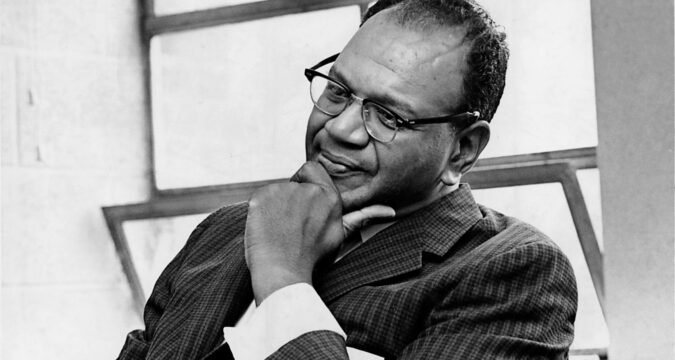
Dr. Gardner Calvin Taylor stands as one of the most eloquent, influential, and revered preachers in American history, universally recognized as the “Dean of the American Pulpit” and frequently ranked alongside Martin Luther King Jr. as among the greatest orators of the 20th century. For over six decades, Taylor’s majestic voice, profound biblical insight, and poetic eloquence captivated congregations, inspired civil rights activists, and shaped generations of preachers across denominational lines. As pastor of Concord Baptist Church of Christ in Brooklyn, New York for 42 years, he built one of America’s most influential congregations while using his platform to champion social justice, mentor young ministers, and demonstrate that powerful preaching could be both intellectually rigorous and spiritually transformative.
Beyond the pulpit, Taylor served as a trusted advisor to presidents, a leader in the Progressive National Baptist Convention, a founding board member of Martin Luther King Jr.’s Southern Christian Leadership Conference, and a living bridge between the Black church’s prophetic tradition and contemporary American Christianity.
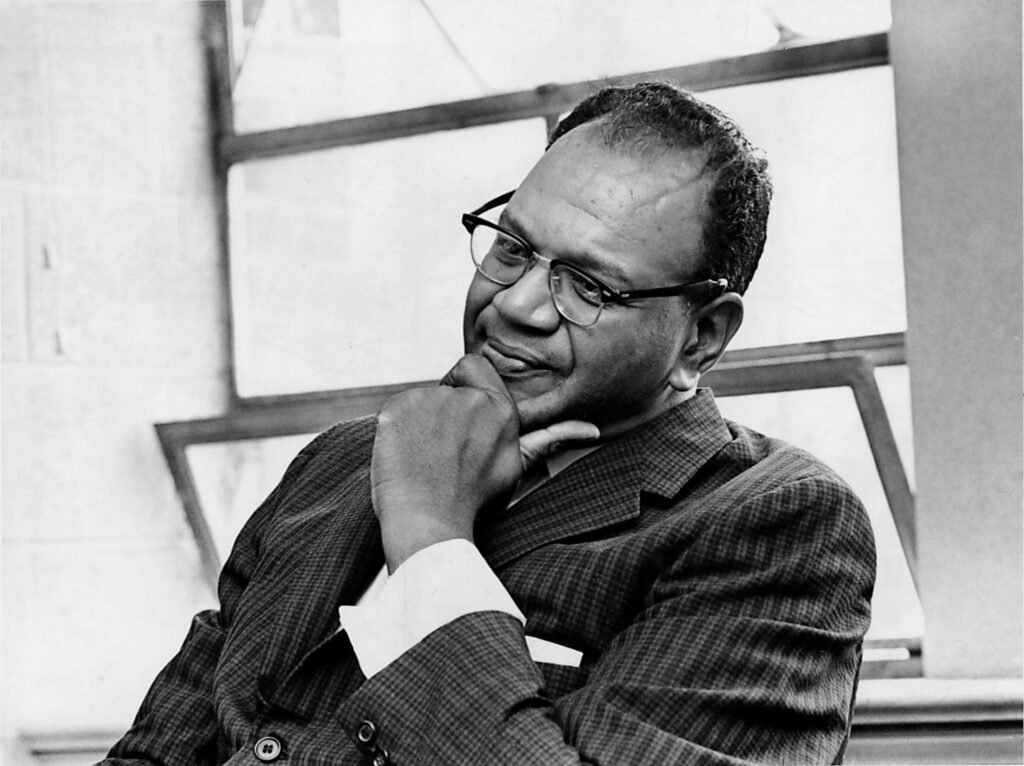
Quick Facts: Gardner C. Taylor at a Glance
| Category | Information |
|---|---|
| Full Name | Gardner Calvin Taylor |
| Date of Birth | June 18, 1918 |
| Place of Birth | Baton Rouge, Louisiana, USA |
| Date of Death | April 5, 2015 (age 96) |
| Nationality | American |
| Occupation | Pastor, Preacher, Civil Rights Leader, Author |
| Denomination | Baptist (Progressive National Baptist Convention) |
| Primary Pastorate | Concord Baptist Church of Christ, Brooklyn, NY (1948-1990) – 42 years |
| Years in Ministry | 1937 – 2015 (78 years) |
| Education | Leland College (B.A.); Oberlin Graduate School of Theology (B.D., 1940) |
| Notable Titles | “Dean of American Preachers”; “Poet Laureate of American Protestantism” |
| Spouse | Laura Scott Taylor (Married 1940 – 1995; 55 years); Phillis Burrell Taylor (Married 1996 – 2015) |
| Children | 1 daughter (Martha Taylor) |
| Books Published | Multiple volumes including 8-volume sermon collection |
| Major Recognition | Presidential Medal of Freedom (2000); Time Magazine’s “Greatest Preacher” |
| Baylor University Honor | Named one of the “12 Most Effective Preachers in English-Speaking World” (1996) |
| Church Growth | Concord Baptist grew to 14,000+ members under his leadership |
Early Life: Louisiana Roots and Divine Calling
Birth in the Segregated South
Gardner Calvin Taylor was born on June 18, 1918, in Baton Rouge, Louisiana, during one of the most challenging periods in American history for African Americans. The Jim Crow era enforced rigid segregation, denied basic civil rights, and subjected Black citizens to systemic discrimination and violence. Yet within this oppressive environment, the Black church emerged as a sanctuary of hope, dignity, and resistance—the institution that would shape young Gardner’s entire life.
A Pastor’s Home
Gardner was born into ministry. His father, the Reverend Washington Monroe Taylor, pastored Mount Zion Baptist Church in Baton Rouge, providing Gardner with front-row observation of pastoral ministry from his earliest days. Growing up in a pastor’s home meant understanding both the privileges and burdens of spiritual leadership—the joy of serving God’s people alongside the demands, sacrifices, and challenges that accompany the calling.
His mother, Selina Taylor, complemented her husband’s ministry with her own spiritual strength and practical wisdom, creating a home environment where faith, education, and community service were foundational values. The Taylor household emphasized intellectual development, moral integrity, and commitment to racial uplift—principles that would guide Gardner throughout his life.
The Accident That Changed Everything
As a young man, Gardner Taylor had no intention of becoming a preacher. Despite his father’s pastoral vocation and his own upbringing in the church, Gardner planned to pursue law, envisioning a career as an attorney fighting racial injustice through legal advocacy.
However, divine providence intervened through a traumatic automobile accident when Gardner was in college. A white man died in the accident, and though Gardner bore no legal fault, the tragedy profoundly shook him. During the aftermath—grappling with grief, guilt, and questions about life’s meaning and purpose—Gardner experienced a powerful spiritual encounter that he interpreted as God’s unmistakable call to ministry.
This moment of divine calling redirected his entire trajectory. He abandoned his plans for law school and committed himself to theological education and pastoral ministry, a decision that would ultimately bless millions and shape American preaching for generations.
Education and Formation
Gardner attended Leland College in Baker, Louisiana, where he earned his Bachelor of Arts degree. His undergraduate education provided broad liberal arts foundation alongside growing theological understanding.
For seminary training, Taylor traveled north to Oberlin Graduate School of Theology (now part of Oberlin College) in Oberlin, Ohio. Graduating in 1940 with his Bachelor of Divinity degree, Taylor received rigorous theological education at one of America’s most progressive institutions—a school with deep commitment to both academic excellence and racial equality.
Oberlin’s integrated environment contrasted sharply with segregated Louisiana, exposing Taylor to intellectual currents, diverse perspectives, and possibilities for Black leadership that would inform his future ministry. The combination of his Southern Black church roots and Northern progressive theological education created a unique synthesis that characterized his preaching throughout his career.
Early Ministry: Developing His Craft
First Pastorates (1938-1948)
Even before completing seminary, Gardner Taylor began pastoral ministry. At age 19 in 1937, he was called to pastor Beulah Baptist Church in New Orleans while still a student—an early indication of his preaching gifts and leadership abilities.
Following seminary graduation in 1940, Taylor served several Louisiana congregations, honing his pastoral skills and developing the preaching style that would eventually captivate thousands. These early years provided essential experience in the full range of pastoral duties—preaching, counseling, administration, community leadership, and shepherding diverse congregational needs.
Marriage to Laura Scott (1940)
In 1940, the same year he graduated from Oberlin, Gardner married Laura Scott, beginning a partnership that would span 55 years until her death in 1995. Laura became his trusted companion, advisor, and partner in ministry, managing the demands of being a pastor’s wife while supporting her husband’s expanding influence.
Their marriage produced one daughter, Martha Taylor, who grew up observing her father’s ministry and the profound impact of his preaching on countless lives.
Moving to Brooklyn (1948)
In 1948, at age 30, Gardner C. Taylor accepted the call to pastor Concord Baptist Church of Christ in Brooklyn, New York—a position he would hold for the next 42 years. This move from the South to New York City represented both opportunity and challenge: leading an established urban congregation in America’s most diverse city during a period of massive demographic change and social upheaval.
Concord Baptist had been founded in 1847 and already possessed significant history and influence within Brooklyn’s Black community. Taylor inherited a congregation of approximately 700 members and a legacy of pastoral leadership that he would be expected to honor while charting new directions.
Concord Baptist Church: Building an Influential Ministry
Explosive Growth Under Taylor’s Leadership
Under Gardner C. Taylor’s leadership, Concord Baptist Church experienced extraordinary growth, expanding from 700 members when he arrived in 1948 to over 14,000 members by his retirement in 1990. This remarkable growth reflected not just Taylor’s preaching magnetism but his comprehensive vision for church ministry addressing spiritual, social, educational, and economic needs.
Comprehensive Ministry Philosophy
Taylor built Concord into more than a Sunday worship center—it became a community institution offering:
Educational Programs:
- Credit union helping members build financial stability
- Tutoring and educational support for youth
- Adult education and literacy programs
- College scholarship programs
Social Services:
- Nursing home caring for elderly community members
- Food pantries and clothing assistance
- Counseling services addressing mental health and family issues
- Job training and employment assistance
Community Development:
- Affordable housing initiatives
- Business development support
- Political education and civic engagement
- Partnerships with schools and social service agencies
This holistic approach reflected Taylor’s conviction that the gospel addresses the totality of human existence—spiritual salvation alongside social justice, personal transformation alongside community development.
Preaching That Drew Thousands
Taylor’s preaching became legendary. Every Sunday, thousands filled Concord’s sanctuary to hear sermons that combined:
Biblical Depth: Rigorous exegesis revealing Scripture’s original meaning and contemporary application
Intellectual Substance: Engagement with theology, philosophy, literature, and current events
Poetic Beauty: Language crafted with artistic precision, creating memorable phrases and powerful imagery
Emotional Power: Authentic passion that moved hearts while engaging minds
Social Relevance: Application of biblical truth to racial justice, poverty, war, and contemporary moral issues
Prophetic Courage: Willingness to challenge comfortable assumptions and speak difficult truths
Taylor’s sermons weren’t merely talks or lectures—they were crafted literary works, performed with theatrical skill, delivered with prophetic authority, and received as encounters with God’s living Word.
The Taylor Preaching Style
What made Gardner C. Taylor’s preaching distinctive?
Majestic Voice: A deep, resonant baritone with perfect diction and dramatic range
Literary Excellence: Sophisticated vocabulary, classical references, and poetic phrasing
Manuscript Freedom: Though carefully prepared, Taylor preached without notes, maintaining eye contact and spontaneous connection
Dramatic Timing: Masterful use of pauses, emphasis, volume variation, and pacing
Theological Depth: Grounded in Reformed theology while remaining accessible to ordinary believers
Cultural Breadth: References spanning Shakespeare, Dostoyevsky, Negro spirituals, and contemporary politics
Christocentric Focus: Always pointing toward Jesus Christ as the center of Christian faith and hope
Civil Rights Leadership and Social Justice
Founding Member of SCLC
In 1957, Gardner C. Taylor joined Martin Luther King Jr., Ralph Abernathy, Fred Shuttlesworth, and other Black church leaders in founding the Southern Christian Leadership Conference (SCLC)—the organization that would lead the Civil Rights Movement’s most significant campaigns.
As a founding board member, Taylor provided crucial support, counsel, and legitimacy to the movement. His prominence in New York—the nation’s media capital—gave SCLC access to Northern audiences, funding sources, and political leaders essential to movement success.
Relationship with Martin Luther King Jr.
Taylor and King developed deep mutual respect and friendship. King admired Taylor’s preaching eloquence and intellectual depth, while Taylor recognized King’s prophetic courage and strategic brilliance. They preached in each other’s pulpits, collaborated on movement strategy, and encouraged each other during the darkest periods of struggle.
Taylor’s Brooklyn pulpit provided King a Northern platform to articulate movement goals and challenge national complacency about Southern segregation. King’s association with Taylor helped legitimize the movement within Northern Black churches that might have remained detached from Southern struggles.
Progressive National Baptist Convention
In 1961, following internal conflicts within the National Baptist Convention USA regarding civil rights activism and organizational governance, Taylor helped lead the formation of the Progressive National Baptist Convention—a new denomination committed to social justice activism alongside evangelism and spiritual formation.
Taylor served as the Progressive National Baptist Convention’s second president, providing leadership during its crucial formative years and ensuring that civil rights activism remained central to its identity and mission.
Political Engagement
Taylor used his influence to engage with political leaders across the ideological spectrum:
Presidents: He advised multiple presidents and delivered prayers at presidential events, maintaining access to power while advocating for justice.
New York City Politics: Taylor’s Concord congregation wielded significant political influence in Brooklyn, making him a figure politicians courted and respected.
Prophetic Independence: Despite his political connections, Taylor maintained prophetic independence, criticizing policies and leaders—regardless of party—that contradicted biblical justice principles.
Recognition as Preaching’s Greatest Voice
Time Magazine’s “Greatest Preacher”
In 1980, Time Magazine published a cover story on American preaching that featured Gardner C. Taylor as representing preaching at its finest. The article’s national prominence introduced Taylor to audiences beyond church circles, establishing him as America’s preaching exemplar.
Baylor University’s “12 Most Effective Preachers” (1996)
In 1996, Baylor University conducted a comprehensive survey identifying the “12 Most Effective Preachers in the English-Speaking World.” Gardner C. Taylor was included in this elite group alongside Billy Graham, Martin Luther King Jr. (posthumously), and other legendary communicators.
This recognition from an academic institution confirmed what church leaders had long known—Taylor stood among history’s greatest preachers, worthy of study and emulation by future generations.
“Dean of the American Pulpit”
Colleagues bestowed upon Taylor the honorary title “Dean of the American Pulpit”—acknowledgment that he represented preaching’s highest standards and served as the standard against which other preachers measured themselves.
The title reflected both his exceptional abilities and his role as mentor and model for countless preachers who studied his sermons, imitated his style, and sought to emulate his combination of intellectual depth and spiritual power.
“Poet Laureate of American Protestantism”
Taylor also earned the designation “Poet Laureate of American Protestantism” for the literary beauty of his sermons. Unlike preachers who valued only practical application or emotional appeal, Taylor demonstrated that sermons could be works of art—carefully crafted with attention to language, rhythm, imagery, and structure.
His sermons featured:
- Memorable phrases that lingered in memory long after worship concluded
- Biblical metaphors extended and developed with poetic imagination
- Classical literary allusions enriching biblical interpretation
- Rhythmic cadences creating musical beauty through spoken language
- Vivid imagery making abstract concepts concrete and memorable
Published Works and Literary Legacy
Eight-Volume Sermon Collection
From 2000 to 2002, Judson Press published the Gardner C. Taylor Sermon Collection—an eight-volume set preserving his greatest sermons for future generations:
- The Words of Gardner Taylor, Volume 1: NBC Radio Sermons, 1959-1970
- The Words of Gardner Taylor, Volume 2: Sermons from the Middle Years, 1970-1980
- The Words of Gardner Taylor, Volume 3: Quintessential Classics, 1980-Present
- The Words of Gardner Taylor, Volume 4: Special Occasion and Expository Sermons
- The Words of Gardner Taylor, Volume 5: Lectures, Essays, and Interviews
- The Words of Gardner Taylor, Volume 6: 50 Years of Timeless Treasures
This comprehensive collection ensures that Taylor’s preaching genius remains accessible to preachers, scholars, and believers studying homiletics, theology, and Christian spirituality.
Other Published Works
Beyond sermon collections, Taylor published:
“How Shall They Preach?” (1977) – His Lyman Beecher Lectures on Preaching delivered at Yale Divinity School, offering guidance on the preaching craft
“The Scarlet Thread” – Exploring the theme of redemption throughout Scripture
Various essays and articles in theological journals, denominational publications, and books on preaching and ministry
Influence on Homiletics
Taylor’s published sermons became required reading in seminary preaching courses across denominations. Students analyzed his:
- Sermon structure and organization
- Use of biblical texts
- Integration of theology and application
- Literary devices and rhetorical techniques
- Balance of intellectual content and emotional appeal
His work demonstrated that powerful preaching requires both spiritual anointing and careful craftsmanship—inspiration and perspiration working together.
Mentorship and Influence on Preachers
Training Ground for Ministers
Throughout his 42-year tenure at Concord, Taylor mentored countless young preachers who came to Brooklyn to observe his ministry, study his preaching, and receive personal guidance. His influence extended through:
Direct Mentorship: Personal relationships with young pastors seeking counsel
Preaching Conferences: Annual gatherings where Taylor taught preaching principles
Guest Preaching: Appearances at seminaries, churches, and conferences where students learned firsthand
Published Sermons: Written works providing permanent access to his homiletical genius
The “Taylor School” of Preaching
Multiple generations of preachers consciously positioned themselves within the “Gardner C. Taylor school” of preaching—an approach emphasizing:
- Careful biblical exegesis as foundation
- Literary excellence in language and expression
- Prophetic courage addressing social justice
- Intellectual engagement with culture and ideas
- Christocentric theology focusing on Jesus Christ
- Poetic beauty making sermons memorable
- Emotional authenticity connecting with hearts
Preachers across racial and denominational lines studied Taylor, imitated his style, and sought to emulate his combination of qualities rarely found together in a single preacher.
Influence Beyond African American Churches
While Taylor’s primary influence was within Black Baptist churches, his excellence transcended racial boundaries. White evangelical, mainline Protestant, and Catholic preachers recognized his genius and learned from his example, making him one of the few Black preachers whose influence was genuinely ecumenical.
Personal Life and Character
First Marriage: Laura Scott Taylor (1940-1995)
Gardner and Laura Taylor’s 55-year marriage provided the stable foundation enabling his demanding ministry. Laura managed the home, raised their daughter Martha, and supported Gardner’s expanding responsibilities with grace and wisdom.
Her death in 1995 was a profound loss, removing his life partner and closest advisor during the final two decades of his life.
Second Marriage: Phillis Burrell Taylor (1996)
In 1996, at age 78, Gardner married Phillis Burrell Taylor, finding companionship and partnership for his remaining years. Phillis supported him through his continued ministry activities and eventual decline, providing loving care until his death in 2015.
Humility Despite Acclaim
Despite universal recognition as America’s greatest preacher, Taylor maintained remarkable humility. He refused to see himself as superior to other preachers, regularly affirmed younger ministers, and remained teachable throughout his life.
Colleagues testified that Taylor’s private character matched his public excellence—he lived with integrity, treated others with respect, maintained financial honesty, and demonstrated genuine Christian virtue that authenticated his powerful preaching.
Faith Through Personal Trials
Taylor’s life included significant trials:
- The traumatic automobile accident in youth
- The pressures of leading a megachurch
- Navigating civil rights activism’s dangers
- Loss of his first wife after 55 years
- Health challenges in later years
Through all these experiences, Taylor’s faith remained steadfast, providing the authentic spiritual depth that made his preaching powerful rather than merely eloquent.
Retirement and Final Years
Stepping Down from Concord (1990)
In 1990, after 42 years as pastor, Gardner C. Taylor retired from Concord Baptist Church at age 72. The congregation had grown from 700 to over 14,000 members, established comprehensive community ministries, and become one of America’s most influential Black churches.
His retirement sermon was attended by thousands, with overflow crowds and media coverage befitting a pastor whose influence extended far beyond one congregation.
Presidential Medal of Freedom (2000)
In 2000, President Bill Clinton awarded Gardner C. Taylor the Presidential Medal of Freedom—America’s highest civilian honor. The award recognized Taylor’s contributions to preaching, civil rights, and American society across six decades.
The ceremony brought Taylor national recognition beyond church circles, acknowledging that his influence transcended religious boundaries to impact American culture, social justice, and public discourse.
Continued Ministry
Even in retirement, Taylor remained active:
- Preaching at special events and anniversary services
- Mentoring young preachers seeking guidance
- Speaking at preaching conferences and seminary events
- Recording sermons for radio broadcast
- Giving interviews reflecting on his ministry and American Christianity
Death and Homegoing (April 5, 2015)
Gardner C. Taylor died on April 5, 2015, at age 96, concluding 78 years of faithful ministry that began when he first preached at age 18. His death prompted an outpouring of tributes from preachers, scholars, political leaders, and ordinary believers whose lives he had touched.
Memorial services celebrated a life extraordinarily lived—a preacher whose eloquence was matched by his integrity, whose fame never diminished his humility, and whose powerful voice called America toward justice while pointing hearts toward Jesus Christ.
Legacy and Continuing Influence
The Standard of Preaching Excellence
Gardner C. Taylor established the standard against which American preaching is measured. Seminary students study his sermons, established preachers attempt to emulate his style, and scholars analyze his homiletical genius—all testimony to his enduring influence.
Bridge Between Traditions
Taylor served as a bridge between:
- Black church tradition and broader American Christianity
- Social justice activism and evangelical theology
- Intellectual rigor and emotional passion
- Literary sophistication and spiritual power
- Prophetic courage and pastoral compassion
This bridge-building expanded possibilities for preachers who followed, demonstrating that these qualities need not be mutually exclusive.
Inspiration for Future Generations
Young preachers discovering Taylor’s sermons through published collections or online recordings continue finding inspiration, instruction, and challenge. His example proves that preaching can be simultaneously biblical, beautiful, relevant, and transformative.
Conclusion: A Voice That Still Speaks
Gardner Calvin Taylor’s 96-year journey from Louisiana pastor’s home to America’s preaching pinnacle demonstrates what happens when extraordinary natural gifts combine with rigorous preparation, spiritual depth, moral courage, and lifelong dedication to proclamation’s sacred task.
His majestic voice is now silent, but his influence continues through:
- Eight volumes of published sermons studied by future preachers
- Countless ministers who learned from his example
- A Progressive National Baptist Convention he helped establish
- Civil rights advances he supported alongside King
- Concord Baptist Church’s continuing ministry
- Recognition that preaching remains powerful when done with excellence
Gardner C. Taylor proved that words matter, that eloquence serves truth, that intellectual depth enriches faith, that social justice flows from biblical conviction, and that preaching—when graced by God and crafted with care—can change hearts, transform communities, and shape history.
He was, simply, the greatest preacher of his generation and among the finest voices ever to occupy an American pulpit. His legacy will continue inspiring preachers and blessing believers for generations to come.