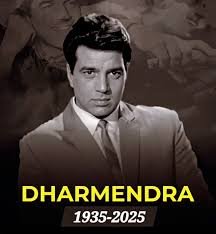
Dharmendra Deol, known mononymously as Dharmendra, is a legendary Indian actor, producer, and politician who dominated Bollywood for over six decades, earning the iconic title “He-Man” for his action-hero roles and masculine screen presence. With a career spanning from 1960 to the present, Dharmendra has appeared in over 300 films across Hindi, Punjabi, and regional cinema, establishing himself as one of Indian cinema’s most beloved and enduring stars. From his breakthrough in Phool Aur Patthar (1966) to classics like Sholay (1975), Satyakam (1969), and Chupke Chupke (1975), Dharmendra has demonstrated remarkable versatility—excelling in action films, romantic dramas, comedies, and socially relevant cinema while maintaining an evergreen appeal that transcends generations.
Beyond his film career, Dharmendra served as a Member of Parliament, built a successful production company, and established a legendary film dynasty through his sons Sunny Deol and Bobby Deol, both successful actors, ensuring the Deol family legacy continues shaping Indian cinema into the 21st century.
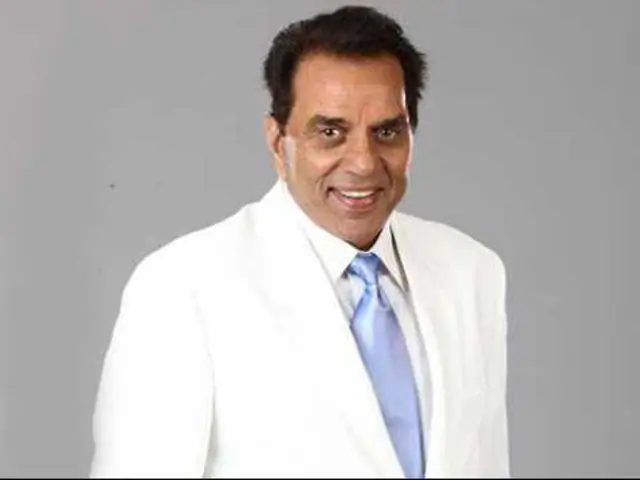
Quick Facts: Dharmendra at a Glance
| Category | Information |
|---|---|
| Full Name | Dharmendra Kewal Krishan Deol |
| Stage Name | Dharmendra |
| Date of Birth | December 8, 1935 |
| Place of Birth | Nasrali, Punjab, British India (now in Pakistan) |
| Age | 89 years old (as of 2025) |
| Nationality | Indian |
| Occupation | Actor, Producer, Politician |
| Years Active | 1960 – Present (65+ years) |
| Total Films | 300+ |
| Debut Film | Dil Bhi Tera Hum Bhi Tere (1960) |
| Breakthrough Film | Phool Aur Patthar (1966) |
| Most Iconic Film | Sholay (1975) |
| Nicknames | “He-Man,” “Action King” |
| First Wife | Prakash Kaur (Married 1954 – Present, legally) |
| Second Wife | Hema Malini (Married 1980 – Present) |
| Children | 6 (Sunny Deol, Bobby Deol, Vijeeta Deol, Ajeeta Deol from first marriage; Esha Deol, Ahana Deol from second marriage) |
| Political Career | Member of Parliament (Rajya Sabha, 2003-2009; Lok Sabha, 2004-2009) |
| Awards | Filmfare Lifetime Achievement Award, Padma Bhushan (2012) |
| Estimated Net Worth | $40-45 million (₹350-400 crore) |
| Residence | Mumbai, Maharashtra, India |
Early Life: Punjabi Roots and Partition Displacement
Birth in Pre-Partition Punjab
Dharmendra Kewal Krishan Deol was born on December 8, 1935, in the village of Nasrali in Ludhiana district, Punjab, which was then part of British India and is now located in Pakistan. He was born into a middle-class Punjabi Jat Sikh family, where his father, Kewal Kishan Singh Deol, worked as a school headmaster, providing modest but stable income for the family.
Growing up in rural Punjab during the 1930s and 1940s, young Dharmendra experienced traditional Punjabi culture—agriculture-based economy, close-knit village communities, strong family bonds, and the values of hard work, honor, and resilience that would later define many of his screen characters.
The Trauma of Partition (1947)
Dharmendra’s childhood was forever altered by the Partition of India in 1947, when British India was divided into India and Pakistan. The violent communal riots, forced migrations, and humanitarian catastrophe accompanying Partition displaced millions, including the Deol family.
Like countless other Punjabi families, the Deols were forced to flee their ancestral village, leaving behind property, possessions, and the only home they had known. They became refugees in newly independent India, eventually settling in the village of Sahnewal near Ludhiana, Punjab, India.
This traumatic experience of displacement, loss, and starting over from nothing profoundly shaped Dharmendra’s worldview, work ethic, and appreciation for success when it eventually arrived. The resilience required to rebuild after such upheaval became a defining characteristic of his personality and career.
Education and Early Interests
Despite the family’s modest circumstances following Partition, Dharmendra’s father—himself an educator—ensured his children received proper schooling. Dharmendra attended Government Senior Secondary School in Lalton, Ludhiana, and later Ramgarhia College in Phagwara, Punjab.
However, young Dharmendra was more interested in sports, physical fitness, and outdoor activities than academics. His athletic build, good looks, and natural charisma made him popular among peers, though his family had no connections to cinema or entertainment industry.
Early Marriage to Prakash Kaur (1954)
At age 19, following Punjabi tradition of early marriage, Dharmendra married Prakash Kaur in 1954, a union arranged by their families. The marriage produced four children: two sons, Sunny and Bobby (who would both become successful actors), and two daughters, Vijeeta and Ajeeta.
This early marriage meant Dharmendra had family responsibilities even before his film career began—a factor that would later complicate his personal life when he fell in love with actress Hema Malini.
Entry into Films: From Punjab to Bombay
The Filmfare Talent Contest (1958)
Dharmendra’s entry into films came through an unlikely route. In 1958, Filmfare magazine organized a talent contest seeking new faces for Bollywood. Friends and family, recognizing Dharmendra’s good looks and screen presence potential, encouraged him to participate.
Dharmendra traveled to Bombay (now Mumbai) and entered the contest. His striking appearance, athletic physique, and natural charm impressed judges, and he won the competition, earning a ticket to Bollywood and a chance to pursue acting professionally.
This victory changed his life trajectory completely—from a middle-class Punjabi young man with limited prospects to a potential film star in India’s entertainment capital.
Early Struggles in Bombay
Winning the talent contest didn’t immediately translate to film success. Dharmendra faced the typical struggles of newcomers:
- No film industry connections or family background
- Language barrier – His Punjabi-accented Hindi needed refinement
- Competition from established actors and other newcomers
- Financial pressures – Supporting a family while pursuing uncertain career
- Typecasting concerns – Being offered only minor roles initially
Film Debut: Dil Bhi Tera Hum Bhi Tere (1960)
Dharmendra’s first film was “Dil Bhi Tera Hum Bhi Tere” (1960), a romantic drama where he played the lead role. However, the film failed commercially and critically, providing an inauspicious beginning to his career.
The debut’s failure could have ended his film ambitions, but Dharmendra persevered, continuing to audition, accept whatever roles were offered, and gradually improve his craft through experience and observation of established actors.
Breakthrough and Stardom (1960s)
Establishing Presence (1960-1965)
Throughout the early 1960s, Dharmendra appeared in numerous films, gradually building recognition:
- “Shola Aur Shabnam” (1961)
- “Anpadh” (1962)
- “Kaajal” (1965)
- “Mamta” (1966)
While these films had varying commercial success, they established Dharmendra as a reliable leading man with screen presence, good looks, and improving acting abilities.
Breakthrough: Phool Aur Patthar (1966)
Dharmendra’s major breakthrough came with “Phool Aur Patthar” (1966), a romantic drama where he played a hardened criminal who falls in love and reforms. The film became a massive commercial success and established Dharmendra as a bonafide star.
The role showcased his ability to portray tough, masculine characters with underlying sensitivity—a combination that would become his trademark. His rugged good looks, athletic physique, and intense screen presence earned him the nickname “He-Man” of Bollywood.
Rise to Superstardom (1967-1969)
Following Phool Aur Patthar, Dharmendra delivered a string of successful films:
“Anupama” (1966) – Showcasing dramatic acting range
“Satyakam” (1969) – Critically acclaimed performance demonstrating serious acting credentials
“Shikar” (1968) – Suspense thriller
“Aaye Din Bahar Ke” (1966) – Musical romance
“Aya Sawan Jhoom Ke” (1969) – Romantic drama
By decade’s end, Dharmendra had established himself among Bollywood’s top stars, commanding leading roles, significant fees, and audience loyalty across India.
The Golden Era: 1970s Domination
Peak Stardom
The 1970s represented Dharmendra’s peak years, when he was among Bollywood’s biggest box office draws, appearing in multiple blockbusters and demonstrating remarkable versatility across genres.
Sholay (1975): The Defining Role
Dharmendra’s most iconic and enduring role came in “Sholay” (1975), directed by Ramesh Sippy. This action-adventure film, often called the greatest Indian film ever made, featured Dharmendra as Veeru, the charming, witty member of a bandit-hunting duo (alongside Amitabh Bachchan’s Jai).
Sholay became a cultural phenomenon:
- Box office record – Highest-grossing Indian film for many years
- Cultural impact – Dialogue, scenes, and characters entering popular consciousness
- Career-defining – Establishing Dharmendra permanently in Indian cinema history
- Ensemble excellence – Creating legendary on-screen partnerships, particularly with Amitabh Bachchan
- Enduring popularity – Continues being watched and referenced decades later
The film’s famous “Mehbooba Mehbooba” song sequence and the Veeru-Basanti romance became iconic, with Dharmendra’s performance balancing action heroics with romantic comedy perfectly.
Other Major 1970s Films
Beyond Sholay, Dharmendra starred in numerous successful films:
Action Films:
- “Jugnu” (1973)
- “Pratigya” (1975)
- “Charas” (1976)
- “Dharam Veer” (1977) – Fantasy action alongside Jeetendra
Romantic Dramas:
- “Seeta Aur Geeta” (1972) – With Hema Malini (double role)
- “Dream Girl” (1977) – With Hema Malini
- “Tum Haseen Main Jawan” (1970)
Comedies:
- “Chupke Chupke” (1975) – Comedy classic with Amitabh Bachchan, Sharmila Tagore, and Hema Malini
- “The Burning Train” (1980)
Partnership with Hema Malini
Dharmendra and Hema Malini became Bollywood’s most popular romantic pair during the 1970s, starring together in 28 films including:
- Sholay (1975)
- Seeta Aur Geeta (1972)
- Dream Girl (1977)
- Charas (1976)
- Tum Haseen Main Jawan (1970)
- Chupke Chupke (1975)
- Jugnu (1973)
Their on-screen chemistry was electric, and their real-life romance (despite Dharmendra’s existing marriage) became one of Bollywood’s most talked-about relationships.
Acting Range Demonstration
The 1970s proved Dharmendra wasn’t merely an action hero but a versatile actor capable of:
- Intense drama – Satyakam, Resham Ki Dori
- Comedy – Chupke Chupke, Dream Girl
- Action – Sholay, Charas, Jugnu
- Romance – Films with Hema Malini
- Social cinema – Films addressing contemporary issues
The Hema Malini Love Story and Second Marriage
Falling in Love on Set
Dharmendra and Hema Malini met while working together in films during the early 1970s. Their on-screen chemistry translated into off-screen romance, creating one of Bollywood’s most enduring love stories—and most controversial relationships.
The complication: Dharmendra was already married to Prakash Kaur with four children. Hema Malini’s family, particularly her mother, initially opposed the relationship due to Dharmendra’s marital status.
The Marriage Controversy (1980)
In 1980, Dharmendra and Hema Malini married in what became one of Bollywood’s most controversial unions. Due to legal complications (Dharmendra couldn’t divorce his first wife under prevailing laws without her consent, which she didn’t provide), Dharmendra reportedly converted to Islam, which permits polygamy, enabling him to marry Hema Malini while remaining married to Prakash Kaur.
This arrangement meant:
- Dharmendra legally remained married to both women
- Prakash Kaur continued being his first wife, living separately but never divorced
- Hema Malini became his second wife, with full marital status
- Two separate families with complex dynamics
Children from Second Marriage
Dharmendra and Hema Malini have two daughters:
- Esha Deol (born 1981) – Actress who appeared in Bollywood films
- Ahana Deol (born 1985) – Assistant director and occasional actress
The daughters were raised primarily by Hema Malini, who balanced her film career with motherhood, while maintaining the high-profile relationship with Dharmendra.
Complex Family Dynamics
This unconventional family arrangement created complex dynamics:
- Two sets of children from different mothers
- Public scrutiny and judgment of the relationship
- Religious conversion controversy surrounding the marriage
- Media fascination with the family’s personal life
- Professional collaborations continuing despite personal complications
Despite the controversy, both marriages endure—Dharmendra maintains relationships with both families, and over decades, the arrangement has been accepted, if not fully understood, by Indian public and media.
1980s-1990s: Veteran Phase
Continued Stardom
Though the 1980s saw younger stars like Amitabh Bachchan, Rajesh Khanna, and later Anil Kapoor and Jackie Shroff dominating, Dharmendra remained a significant presence, transitioning from romantic lead to mature character roles.
Notable 1980s Films:
- “Alibaba Aur 40 Chor” (1980)
- “Krodhi” (1981)
- “Samraat” (1982)
- “Raaj Tilak” (1984)
- “Insaaf Kaun Karega” (1984)
- “Hukumat” (1987)
- “Aag Hi Aag” (1987)
Character Actor Transition (1990s)
The 1990s saw Dharmendra successfully transition to character roles, playing fathers, mentors, and supporting characters while occasionally taking lead roles in smaller films:
- “Kshatriya” (1993)
- “Lootere” (1993)
- “Maidan-E-Jung” (1995)
- “Dillagi” (1999)
Launching Sons’ Careers
A significant focus during the 1990s was launching and supporting the film careers of his sons:
Sunny Deol – Debuted with Betaab (1983), became major action star with films like Ghayal (1990), Damini (1993), and Gadar: Ek Prem Katha (2001)
Bobby Deol – Debuted with Barsaat (1995), established himself with films like Gupt (1997) and Soldier (1998)
Dharmendra actively supported both sons’ careers, appearing alongside them in films, providing guidance, and using his industry connections to create opportunities.
2000s-Present: Elder Statesman of Cinema
Character Roles and Cameos
In the 21st century, Dharmendra has embraced senior character roles, appearing in:
“Kya Kehna” (2000)
“Hum Kisise Kum Nahin” (2002)
“Khel To Abb Shuru Hoga” (2016)
“Rocky Aur Rani Kii Prem Kahaani” (2023) – Recent critically acclaimed performance
“Teri Baaton Mein Aisa Uljha Jiya” (2024)
Multi-Generational Films
Dharmendra has appeared in films featuring multiple generations of his family:
- “Apne” (2007) – Featuring Dharmendra, Sunny Deol, and Bobby Deol (father and two sons together)
- “Yamla Pagla Deewana” film series (2011, 2013, 2018) – Family ensemble showcasing Deol trio
These films capitalized on the Deol family legacy, presenting three generations of action heroes together on screen.
Awards and Recognition
Dharmendra’s legendary status has been acknowledged through numerous honors:
Filmfare Lifetime Achievement Award (1997) – Recognizing five decades of contributions to Indian cinema
Padma Bhushan (2012) – India’s third-highest civilian honor, awarded by the Government of India for distinguished service in arts and cinema
Various film festival honors and retrospectives celebrating his career
Health and Aging Gracefully
Now in his late eighties, Dharmendra occasionally faces health challenges but remains active:
- Making select film appearances
- Attending family events and film premieres
- Maintaining social media presence connecting with fans
- Enjoying time with grandchildren
- Reflecting publicly on his legendary career
Political Career
Entry into Politics
In the early 2000s, Dharmendra entered politics, joining the Bharatiya Janata Party (BJP), India’s major right-wing political party.
Member of Parliament
Dharmendra served as Member of Parliament:
Rajya Sabha (Upper House) – 2003-2009, nominated member
Lok Sabha (Lower House) – Elected from Bikaner constituency, Rajasthan (2004)
Political Performance
Dharmendra’s political career received mixed reviews:
- Criticized for poor attendance in Parliament sessions
- Limited legislative activity compared to career politicians
- Leveraged celebrity status more than policy expertise
- Eventually focused back on cinema after single term
His political involvement seemed more symbolic than substantive, representing the common phenomenon of Indian film stars entering politics with varying degrees of success and commitment.
Production Company: Vijayta Films
Establishing Production House
Dharmendra established Vijayta Films, a production company that produced several films including:
“Betaab” (1983) – Sunny Deol’s successful debut
“Ghayal” (1990) – One of Sunny Deol’s biggest hits
“Ghatak” (1996) – Another Sunny Deol action film
The production company allowed Dharmendra to control projects, launch family members’ careers, and participate in filmmaking beyond acting.
Acting Style and Screen Persona
The “He-Man” Image
Dharmendra’s screen persona combined:
- Physical masculinity – Athletic build and action capability
- Romantic charm – Ability to portray tender love scenes
- Comedy timing – Natural gift for humor
- Dramatic intensity – Capacity for serious, emotional scenes
- Everyman quality – Relatability despite stardom
Versatility Across Genres
Unlike some action stars limited to single genres, Dharmendra excelled in:
- Action films – Sholay, Jugnu, Pratigya
- Romantic dramas – Dream Girl, Tum Haseen Main Jawan
- Comedies – Chupke Chupke, Dream Girl
- Social dramas – Satyakam, Anupama
- Multi-starrers – Sholay, The Burning Train
Natural Acting Approach
Dharmendra’s acting style emphasized:
- Naturalism over theatrical mannerisms
- Understated intensity rather than over-the-top dramatics
- Physical presence complementing dialogue delivery
- Chemistry with co-stars, particularly Hema Malini and Amitabh Bachchan
- Spontaneity bringing freshness to scenes
Legacy and Influence
Pioneering the Action Hero
Dharmendra was among the first true action heroes in Hindi cinema, paving the way for:
- Amitabh Bachchan’s “angry young man”
- Sunny Deol’s intense action roles
- Contemporary action stars like Akshay Kumar and Ajay Devgn
The Deol Dynasty
Dharmendra established a film dynasty spanning generations:
- First generation: Dharmendra himself
- Second generation: Sunny Deol and Bobby Deol (successful actors)
- Third generation: Karan Deol (Sunny’s son), Rajveer Deol (Bobby’s son) – beginning careers
Additionally, daughters Esha and Ahana pursued film-related careers, making the Deols one of Bollywood’s most prominent film families.
Cultural Impact
Dharmendra’s films, particularly Sholay, became cultural touchstones:
- Dialogue and scenes quoted in everyday conversation
- Characters becoming archetypes in Indian popular culture
- Songs remaining popular across generations
- Film scenes parodied and referenced in contemporary media
Enduring Popularity
Even in his late eighties, Dharmendra maintains:
- Strong fan following across generations
- Social media presence with millions of followers
- Regular film appearances in character roles
- Respect from contemporary actors and filmmakers
- Ongoing relevance in Indian popular culture
Personal Life and Character
Family Man
Despite the complexity of his marital situation, Dharmendra maintains close relationships with:
- Both wives (though living primarily with Hema Malini)
- All six children from both marriages
- Numerous grandchildren
- Extended family members
Humble Origins, Grounded Personality
Despite decades of stardom, Dharmendra reportedly remains:
- Connected to his Punjabi roots
- Humble about his achievements
- Accessible to fans and colleagues
- Generous with time and resources
- Respectful of film industry traditions
Health Conscious Lifestyle
Throughout his career, Dharmendra maintained:
- Physical fitness enabling action roles into his fifties
- Healthy lifestyle supporting longevity
- Active involvement in sports and exercise
- Discipline balancing demanding career and personal life
Net Worth and Business Ventures
Estimated Wealth
Dharmendra’s net worth is estimated at $40-45 million (₹350-400 crore), accumulated through:
- Five decades of film salaries
- Production company earnings
- Real estate investments
- Brand endorsements throughout career
- Ongoing film appearances
Properties and Investments
The Dharmendra-Hema Malini family owns:
- Luxurious home in Mumbai’s Juhu area
- Farmhouse properties
- Real estate investments across India
- Agricultural land
Financial Legacy
Dharmendra has ensured financial security for:
- Both families through property distribution
- Children’s careers through production investments
- Future generations through estate planning
Awards and Honors
Major Awards
Filmfare Awards:
- Filmfare Lifetime Achievement Award (1997)
- Filmfare Best Actor nominations for various films
National Recognition:
- Padma Bhushan (2012) – Prestigious civilian honor
Other Honors:
- Numerous film festival lifetime achievement awards
- State government recognitions
- Industry tributes and retrospectives
Critical vs. Commercial Success
While Dharmendra enjoyed massive commercial success, critical recognition sometimes lagged:
- Few major acting awards during peak years (awards often went to method actors)
- Greater critical appreciation came later in career
- Commercial success and audience love ultimately validated his career
Frequently Asked Questions About Dharmendra
1. How old is Dharmendra? Born December 8, 1935, Dharmendra is 89 years old as of 2025.
2. How many films has Dharmendra acted in? Dharmendra has appeared in over 300 films across Hindi, Punjabi, and regional cinema during his 65+ year career.
3. Is Dharmendra married? Dharmendra has been married twice—first to Prakash Kaur (1954, never divorced) and then to actress Hema Malini (1980), with whom he remains.
4. How many children does Dharmendra have? Dharmendra has six children: Sunny Deol, Bobby Deol, Vijeeta Deol, and Ajeeta Deol from his first marriage; Esha Deol and Ahana Deol from his second marriage.
5. What is Dharmendra’s most famous film? Sholay (1975) is widely considered Dharmendra’s most iconic film and one of the greatest Indian films ever made.
6. What is Dharmendra’s net worth? His estimated net worth is $40-45 million (₹350-400 crore) as of 2025.
7. Did Dharmendra convert to Islam? Reportedly, Dharmendra converted to Islam in 1980 to enable his marriage to Hema Malini under laws permitting polygamy, though this remains controversial and not fully confirmed.
8. Are Sunny Deol and Bobby Deol brothers? Yes, both are Dharmendra’s sons from his first marriage to Prakash Kaur.
9. Did Dharmendra serve in politics? Yes, he served as Member of Parliament in both Rajya Sabha (2003-2009) and Lok Sabha (2004-2009) representing the BJP.
10. What awards has Dharmendra won? Major awards include the Filmfare Lifetime Achievement Award (1997) and Padma Bhushan (2012), among numerous other honors.
11. Is Dharmendra still acting? Yes, Dharmendra continues making select film appearances in character roles, most recently in Rocky Aur Rani Kii Prem Kahaani (2023) and Teri Baaton Mein Aisa Uljha Jiya (2024).
12. What is Dharmendra’s real name? His full name is Dharmendra Kewal Krishan Deol, though he’s known professionally simply as Dharmendra.
Conclusion: The Eternal He-Man
Dharmendra’s journey from a refugee Punjabi village boy displaced by Partition to becoming one of Indian cinema’s most enduring legends represents the ultimate Bollywood success story. His 65+ year career has seen him evolve from struggling newcomer to romantic hero, action star, comedian, character actor, and finally elder statesman of Indian cinema—all while maintaining the natural charm, physical presence, and everyman quality that first captivated audiences in the 1960s.
What distinguishes Dharmendra’s legacy isn’t merely longevity or the 300+ films he’s appeared in—it’s the genuine connection he established with audiences across generations, classes, and regions. His characters felt real, his struggles relatable, his romances believable, and his heroism attainable. Whether playing the charming bandit Veeru in Sholay, the principled protagonist in Satyakam, or the comic lover in Chupke Chupke, Dharmendra brought authenticity that transcended acting technique.
His personal life—particularly his unconventional marriage situation—generated controversy, yet ultimately the Indian public’s love for Dharmendra the actor overcame judgment about Dharmendra the man. His ability to maintain relationships with both families, support all six children’s careers, and navigate complex personal dynamics while sustaining professional excellence demonstrates remarkable emotional intelligence and maturity.
Perhaps most significantly, Dharmendra established a film dynasty ensuring his legacy extends beyond his own career. Through Sunny Deol’s intense action roles, Bobby Deol’s romantic performances, and now grandchildren entering the industry, the Deol name remains synonymous with Bollywood excellence across generations.
At 89, Dharmendra continues appearing in select films, connecting with fans through social media, and enjoying the rare privilege of witnessing his own legend status while still living. He remains not just Bollywood’s “He-Man” but a cultural icon whose films, persona, and life story have become inseparable from Indian cinema’s golden history.
His legacy will endure not just through the films that continue entertaining new generations, but through the inspiration his journey provides—proving that talent, hard work, resilience, and authentic connection with audiences can transform a displaced refugee boy into an immortal cinema legend.